Hidden Costs of Not Replacing Equipment in Arizona
5 min read
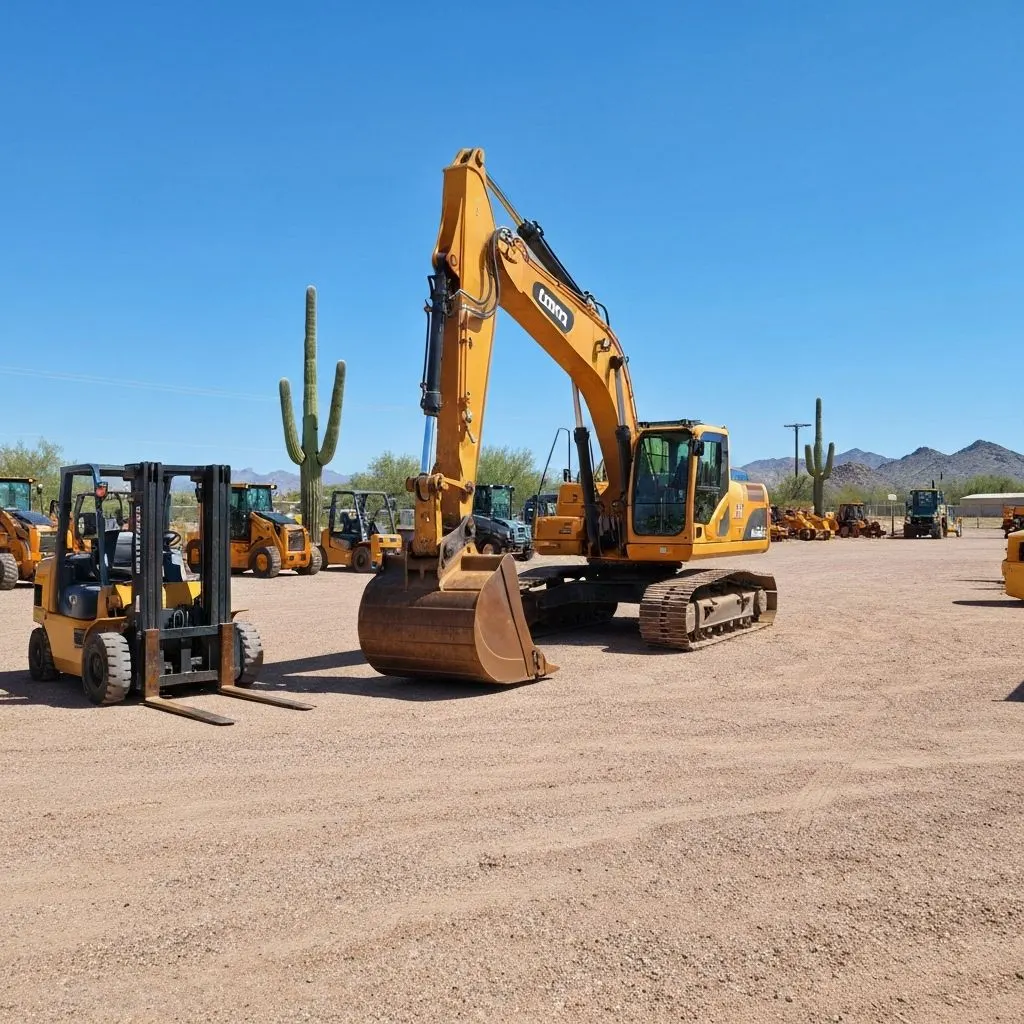
For many Arizona small business owners, from construction crews in Phoenix to agricultural operations in Yuma, 'if it ain't broke, don't fix it' is a common mantra. However, in the world of equipment management, there is a significant difference between a machine that functions and one that is profitable. Holding onto aging assets longer than their optimal lifecycle can lead to a 'financial leak' that drains capital faster than a monthly finance payment ever would. This guide explores the tangible and intangible costs of delaying equipment upgrades in the unique Arizona economic landscape.
The Escalating Cost of Reactive Maintenance
The most immediate hidden cost of aging equipment is the surge in emergency repairs. While routine maintenance is a predictable line item, reactive repairs are often significantly more expensive and occur at the most inconvenient times. In Arizona's extreme heat, hydraulic systems, cooling units, and electronic components degrade faster, leading to frequent breakdowns that require specialized technicians and expedited shipping for parts.
As equipment nears the end of its useful life, the frequency of these failures typically increases. Business owners often find themselves in a 'sunk cost' trap, where they continue to pour money into an old asset because they just spent thousands on its last repair. Over a twelve-month period, these cumulative repair bills can often exceed the annual cost of financing a brand-new, warrantied replacement.
Lost Productivity and the Opportunity Cost
Beyond the repair bill lies the cost of downtime. When a critical piece of machinery fails, your payroll costs don't stop, but your revenue generation does. In competitive Arizona industries like landscaping, HVAC, and manufacturing, a three-day delay due to equipment failure can lead to breached contracts or the loss of a long-term client to a more reliable competitor.
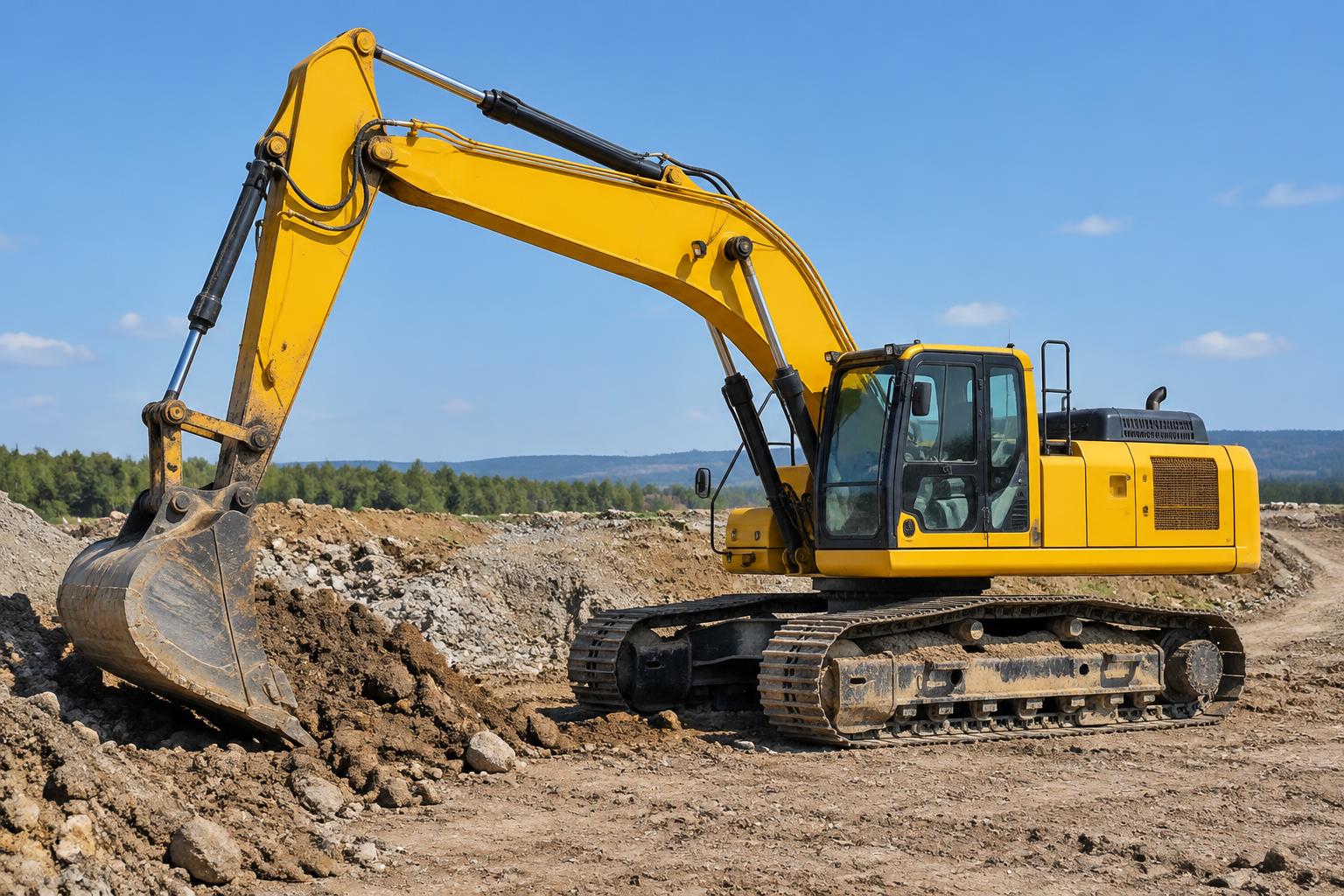
Newer equipment is typically designed with better ergonomics and faster cycle times. For example, modern earth-moving equipment or medical imaging tools can often complete tasks 15% to 25% faster than models from a decade ago. By sticking with the status quo, you are effectively paying more in labor for less output, which erodes your competitive edge in the local market.
- Unplanned downtime affecting project deadlines
- Employee frustration and turnover due to faulty tools
- Higher fuel consumption and utility costs compared to modern standards
Safety Risks and Insurance Premiums
Safety is an often-overlooked financial factor. Older machinery frequently lacks the advanced safety shut-offs, sensors, and structural protections found in contemporary models. An equipment-related workplace injury in Arizona can lead to spikes in workers' compensation premiums and potential regulatory fines that far outweigh the investment in updated technology.
Furthermore, insurance providers often view aging fleets as higher risks. While the replacement value of an old machine is lower, the liability risk associated with its operation can lead to stagnant or rising premiums. Upgrading to equipment with modern safety certifications can sometimes assist in stabilizing these long-term operational costs.
Missed Tax Advantages and Incentives
One of the largest hidden costs of not replacing equipment is the 'tax cost.' The U.S. tax code often provides significant incentives for businesses to invest in new or used equipment. By delaying a purchase, you may be missing out on accelerated depreciation or specific deductions designed to lower your taxable income. These incentives effectively act as a discount on the purchase price of the asset.
However, tax laws are complex and subject to change. It is essential to consult with a qualified tax professional to understand how current depreciation rules apply to your specific business entity and how a new equipment acquisition could impact your annual tax liability. Our referral partners can help structure financing, but the tax strategy should always be vetted by a CPA.
Frequently asked questions
How do I know if it's cheaper to repair or replace?
A common rule of thumb is the '50% Rule.' If a single repair cost exceeds 50% of the equipment's current market value, or if the annual maintenance costs exceed the annual payments on a new machine, replacement is typically the more viable financial path.
What are typical financing terms for Arizona businesses?
Terms vary based on the age of the equipment and your business history, but most agreements typically span 2 to 6 years with fixed monthly payments. This allows for predictable budgeting compared to volatile repair costs.
Can I finance used equipment to save money?
Yes, many businesses find that 'late-model' used equipment provides a balance between lower acquisition costs and modern reliability. Financing is available for used assets, though terms and rates may differ slightly from brand-new machinery.
Ready to see your options?
Check financing options with a quick pre-qualification. Subject to lender approval.
Apply Now