Startup Equipment Financing in Arizona: A Founder's Guide
7 min read

Launching a new venture in the Grand Canyon State presents unique challenges, particularly when it comes to acquiring the tangible assets necessary for operation. Whether you are opening a high-tech lab in Scottsdale, a manufacturing facility in Mesa, or a boutique eatery in Tucson, the cost of machinery and technology can be a significant barrier to entry. Startup equipment financing serves as a strategic bridge, allowing new business owners to acquire essential tools without exhausting their initial seed capital or personal savings.
Understanding the Arizona Startup Landscape
Arizona has become a burgeoning hub for entrepreneurs, fueled by a favorable regulatory environment and a growing talent pool. However, traditional banks often view startups—defined typically as businesses with less than two years of operating history—as higher-risk entities. This makes specialized equipment financing a vital alternative for local founders who need to preserve cash flow while scaling their operations.
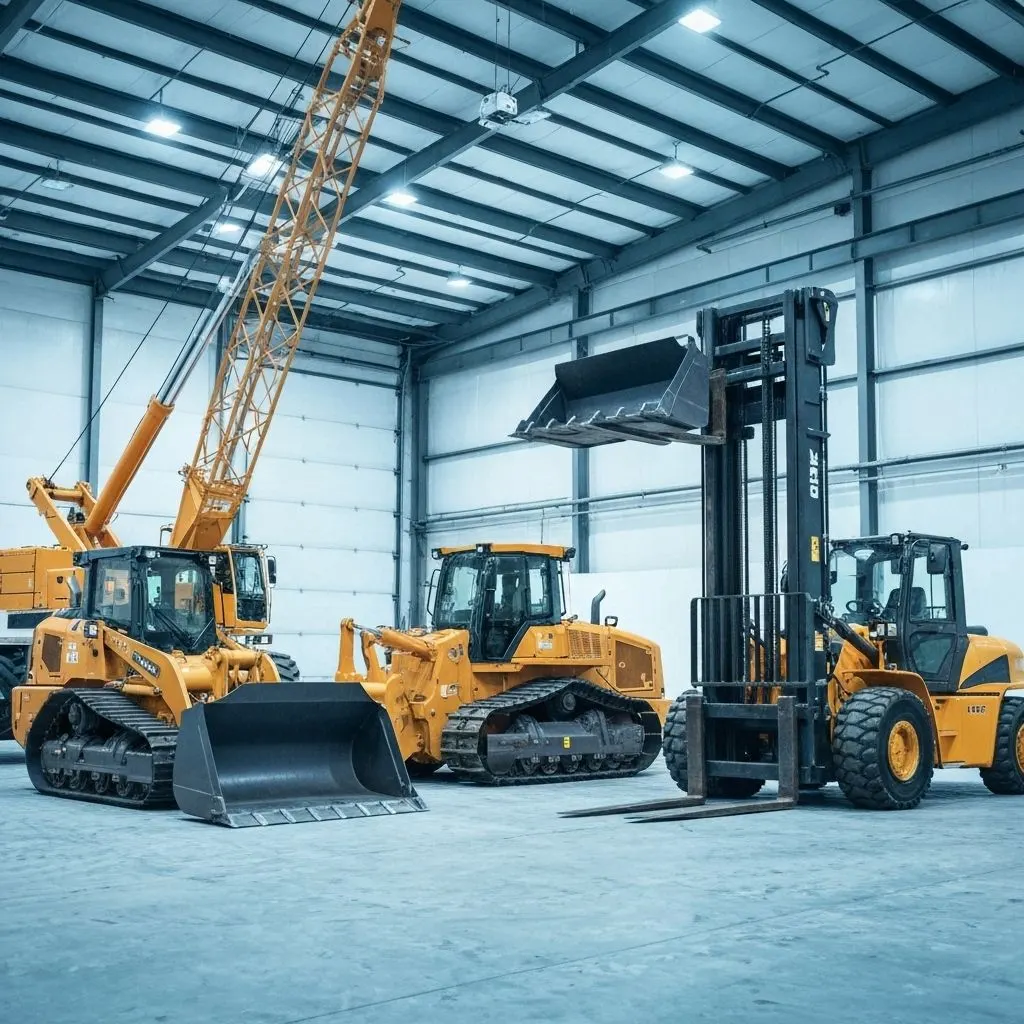
Unlike standard term loans, equipment financing uses the asset itself as collateral. For an Arizona startup, this means that the bulldozer, medical laser, or commercial oven acts as the security for the agreement. This structure can make it easier for new businesses to qualify compared to unsecured lines of credit, provided the equipment holds its value over the term of the financing.
Types of Financing for New Businesses
Startups generally choose between two primary paths: equipment leases and equipment finance agreements (EFAs). Leasing is often preferred by technology or medical startups in Phoenix that require frequent upgrades, as it allows them to return or trade in equipment at the end of the term. EFAs are more common for heavy machinery or long-lived assets where the goal is full ownership from day one.
The choice between a Fair Market Value (FMV) lease and a $1 buyout lease depends heavily on your long-term goals. FMV leases typically offer lower monthly payments, which is excellent for preserving monthly runway, while $1 buyout options function more like a traditional loan where you own the asset after the final payment. Each path has different impacts on your balance sheet and operational flexibility.
- Fair Market Value (FMV) Leases: Ideal for tech that depreciates quickly.
- $1 Buyout Leases: Best for long-term assets like yellow iron or manufacturing tools.
- Operating Leases: Often treated as a monthly expense rather than a liability.
Typical Terms and Rate Ranges
For Arizona startups, terms typically range from 24 to 60 months, though some specialized assets may qualify for longer durations. Because startups represent a higher risk than established corporations, interest rates are generally higher than what a Fortune 500 company might receive. However, these rates are often more manageable than credit card interest or the cost of giving up equity to an angel investor.
Down payments for new businesses typically range from 0% to 20%, depending on the strength of the application and the type of equipment being financed. Some programs allow for 'app-only' applications up to certain dollar amounts, which simplifies the process by requiring less financial documentation than a traditional bank loan. Always remember that final terms vary based on the lender's assessment of risk and the asset's resale value.
Tax Incentives and Financial Planning
One of the most compelling reasons to utilize equipment financing is the potential for significant tax deductions. Under current tax laws, such as Section 179, many businesses can deduct the full purchase price of qualifying equipment in the year it is placed into service. This can result in substantial front-end savings that effectively reduce the net cost of the equipment.
However, tax laws are subject to change and vary based on your specific business structure and income levels. It is critical to consult a professional tax advisor or CPA to understand how financing will impact your Arizona state and federal tax obligations. Proper planning ensures that your financing strategy aligns with your overall fiscal health and long-term growth objectives.
How to Prepare Your Application
To increase your chances of approval, Arizona founders should prepare a concise executive summary and a clear explanation of how the new equipment will generate revenue. If you are financing a $50,000 piece of equipment, show the lender how that equipment will produce $5,000 in new monthly profit. This 'return on investment' logic is very persuasive to underwriters.
Additionally, ensure your personal financial statement is accurate and your business entity is properly registered with the Arizona Corporation Commission. Having your 'paperwork house' in order demonstrates professional readiness. While Equipment Finance Academy provides the education and referral to our partner lenders, the strength of your preparation remains a key factor in securing the best possible offer for your startup.
Frequently asked questions
Can I get financing if my startup has no revenue yet?
Yes, many lenders offer 'pre-revenue' programs for startups. These programs typically rely heavily on the business owner's personal credit score and relevant industry experience rather than historical business bank statements.
What kind of equipment can be financed in Arizona?
Almost any tangible asset used for business purposes can be financed, including construction machinery, medical devices, commercial vehicles, restaurant equipment, and even specialized software and office furniture.
How long does the approval process take?
For many startup applications, a decision can be reached within 24 to 48 hours after submitting the necessary documentation. Funding typically occurs shortly after the equipment is delivered and accepted by the business owner.
Ready to see your options?
Check financing options with a quick pre-qualification. Subject to lender approval.
Apply Now