How to get approved for a commercial real estate loan
Prepare your property, credit and equity information before requesting financing. These answers explain South End Capital’s small commercial real estate program and the local checks owners should complete—not residential home-loan advice or a promise of approval.
Get Pre-QualifiedExisting South End Capital referral application. Eligibility and terms depend on lender review.
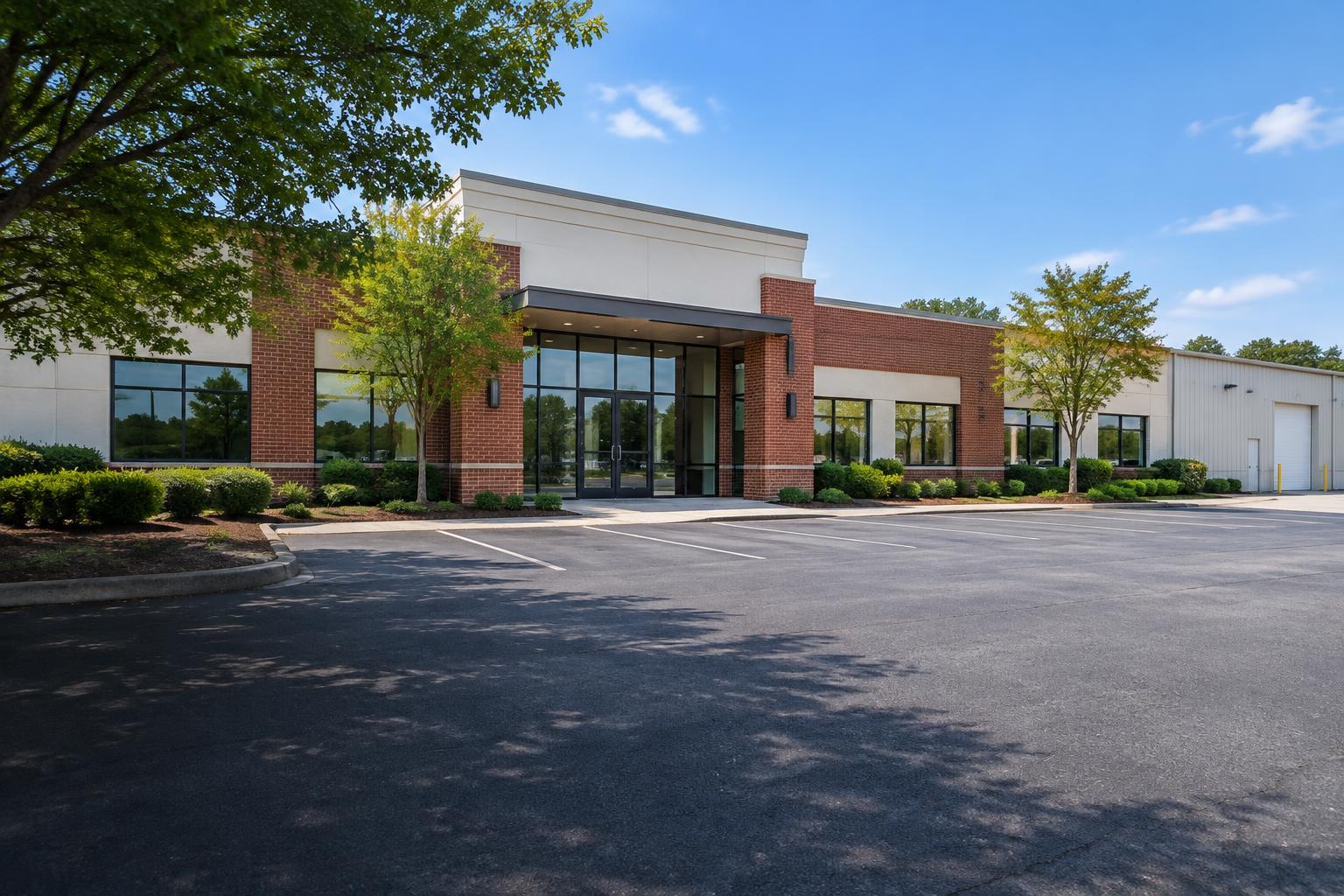
Real estate loan approval questions
How do I get approved for a real estate loan?
Start by identifying the property address, use, condition, purchase or refinance purpose and requested amount. For South End Capital's small commercial real estate program, all guarantors must meet the 690 credit minimum and provide an unlimited guarantee. The property must support the equity limits and first-mortgage position. Submit the referral pre-qualification request, provide lender-requested records and review any written offer. Meeting published minimums or completing a request does not guarantee approval.
What documents do I need for a no-doc or low-doc real estate loan?
Up to $500,000, the lender advertises an application-only tier without bank statements, tax returns or financials, but a one-page application and current color property photos are still required. Property, title, survey and closing review remain. Above $500,000 through $1 million, the sheet requires photos, a full third-party appraisal, a personal financial statement and bank statements, in addition to the application. Confirm the current checklist with the lender.
What credit score do I need, and does an LLC avoid a guarantee?
The April 22, 2026 sheet requires at least 690 credit for every guarantor and an unlimited guarantee. Personal or entity ownership is considered, but an LLC does not remove the guarantee requirement. No tax liens, judgments or past-due taxes may remain at closing, and the sheet excludes bankruptcies in the prior seven years. Ask the lender about your specific situation rather than assuming one credit score establishes eligibility.
How much equity or down payment do I need?
Maximum loan-to-value is 50%. As a hypothetical illustration, an $800,000 property value supports at most a $400,000 loan under that limit, before other requirements. That is not a property appraisal or loan offer; the borrower also needs to budget closing costs. For property purchased within three years, the lesser of 50% LTV or 65% loan-to-cost applies. Existing liens reduce equity available for refinance or cash-out.
What additional financial requirements apply above $500,000?
The low-doc tier requires liquidity of at least 20% of the loan amount and net worth of at least four times the loan amount. An illustrative $800,000 request therefore requires $160,000 liquidity and $3.2 million net worth, alongside sufficient property value, documentation and qualifying guarantors. These calculations are eligibility checks, not approval predictions.
Which properties can be considered, and which are excluded?
Existing office, retail, warehouse, industrial, mixed-use, multifamily, 1-to-4 family rental property, houses of worship and raw land may be considered, subject to lender review. Raw land is capped at $500,000. The supplied sheet excludes construction, renovations, primary residences, senior or assisted living, skilled nursing, hospitality and cemeteries. Describe the actual use rather than assuming a building category alone establishes eligibility.
How do local zoning, title and survey requirements affect approval?
Identify the authority responsible for the actual parcel, not only the city in the mailing address. Check permitted use, legal access, property condition and any existing liens with qualified local legal, title and survey professionals. The program requires an ALTA survey and property tax escrow. Lender approval does not establish zoning permission, and chamber references are independent business resources—not loan providers or endorsements.
Can a vacant or rural property qualify without a DSCR minimum?
The lender advertises no property occupancy, cash-flow or debt-service minimum and no population minimum, with nationwide coverage including rural property. These features do not waive property condition, credit, equity, guarantee or closing requirements. A vacant building or rural parcel is not automatically eligible. Raw land remains capped at $500,000.
Can I refinance or take cash out of an investment property?
Purchase, refinance and unrestricted cash-out refinance may be considered. This is a first-mortgage program, not a second mortgage. Subtract the existing mortgage payoff and closing costs from any potential loan amount before estimating cash proceeds. Recent acquisitions may also be limited by loan-to-cost. Cash availability and final terms depend on lender review.
What rate, fees and loan term should I expect?
Do not treat the dated sheet as a current rate quote or APR. It describes WSJ Prime-based margins and a 7% floor, with options depending on the tier and property. Fees include 1% lender origination, $500 documentation, $975 commercial or $515 residential review, and $2,500–$5,000 due diligence; appraisal when required, legal costs and broker origination up to 3% are additional. Confirm written fees, refundability and any prepayment schedule. The five-year term uses 25-year amortization, leaving a balance due at maturity; refinancing or extension is not guaranteed.
How long does approval take, and should I commit to a closing date?
No approval or funding time is promised here. Application review, appraisal when required, title, survey, collateral checks and outstanding records can affect timing. Coordinate any purchase financing contingency with qualified advisers and the lender. A pre-qualification request or preliminary discussion is not a commitment to close; avoid relying on unconfirmed financing when paying non-refundable deposits.
Can ITIN holders, nonprofits or first-time property buyers apply?
The program considers U.S. citizens, legal permanent residents, ITIN guarantors and nonprofit borrowers, with property held personally or in an entity. First-time ownership does not itself establish or rule out approval. Confirm identity, organizational authority and required guarantors with the lender. Nonprofit status and entity ownership do not automatically waive credit or guarantee requirements.
Property financing guidance for your city
Choose your market for local business references, property-planning scenarios and city-specific questions. These pages describe nationwide referral coverage, not local lending offices or separate city approval standards.