Key Takeaways
- 1Cranes range from about $200,000 to over $2 million, so financing is usually the most practical path to acquisition
- 2Tower, mobile, crawler, and overhead cranes each carry different terms, down payments, and resale dynamics
- 3Mobile cranes are often easiest to finance thanks to their versatility and strong secondary market
- 4Terms typically run 5-10 years for loans and 3-7 years for leases, with 10-20% down common on purchases
- 5Cranes with a proven resale market and detailed project backlog earn the best rates and terms
Understanding Crane Financing
Crane financing gives construction firms, steel erectors, manufacturers, and logistics operations access to essential lifting equipment without the massive capital outlay a purchase demands. With cranes running anywhere from $200,000 to well over $2 million, very few companies pay cash, financing spreads the cost over the years of revenue the crane will generate, protecting working capital for mobilization, labor, and bonding.
Because a crane is a high-value asset with a long service life and an active resale market, lenders view it as strong collateral. That means competitive rates and longer terms are available to contractors who can document a healthy project backlog.
Types of Cranes and Financing Considerations
Tower Cranes
The backbone of high-rise construction, tower cranes run $300,000 to $1.5 million or more. Financing terms typically span 5-7 years, and lenders will want to see detailed project plans and strong contractor credentials given the crane's project-specific nature.
Mobile Cranes
All-terrain, rough-terrain, and truck-mounted cranes ($200,000-$1 million) are the most versatile and, for that reason, often the easiest to finance. Their broad usefulness across job types and deep resale market lower the lender's risk, which can translate into better terms and easier approval.
Crawler Cranes
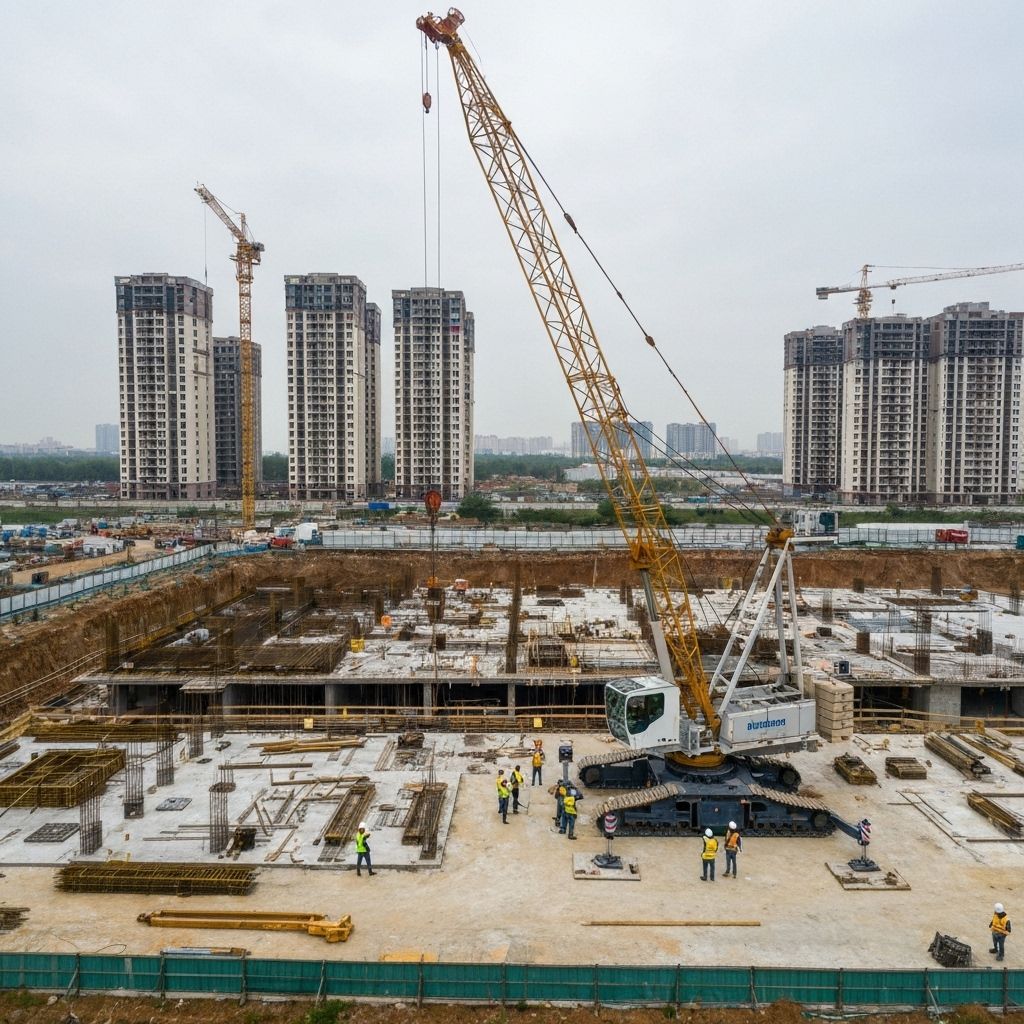
Track-mounted crawler cranes handle heavy lifts on soft or uneven ground and range from $500,000 to $3 million+. Because they're specialized and slower to remarket, expect slightly larger down payments and closer scrutiny of your project pipeline.
Overhead & Bridge Cranes
Fixed overhead cranes used in manufacturing and warehousing typically cost $50,000 to $500,000 including installation. Financing can often roll in the rigging and installation "soft costs," which is a key advantage for facility upgrades.
Financing Options for Cranes
Equipment Loans
A crane loan lets you purchase and own the equipment outright. Benefits include building equity, claiming Section 179 tax deductions, complete control, and no usage restrictions. Typical terms run 5-10 years with a 10-20% down payment and fixed or variable rates. Best for cranes you'll keep and run at high utilization for years.
Equipment Leasing
Leasing provides access without ownership, with lower upfront cost and easier qualification. Advantages include the flexibility to upgrade, potential maintenance inclusion, and off-balance-sheet treatment on FMV leases. Terms typically run 3-7 years. A $1-buyout lease works like a financed purchase if you ultimately want to own the crane.
New vs. Used Cranes
Cranes hold value exceptionally well, which makes used-crane financing attractive. A well-maintained used mobile crane can deliver most of the capability of a new unit at a meaningfully lower price and payment, and lenders are comfortable financing quality used cranes because the collateral remains liquid. Just ensure any used crane comes with current inspection and load-test documentation, which lenders will require.
How to Qualify and Get the Best Terms
Lenders weigh your time in business, credit profile, and, critically, your project backlog, a documented pipeline of work reassures them the crane will generate revenue. To secure the best terms: put together a clear equipment quote, provide recent financials or bank statements, highlight signed contracts or bid awards, and consider a slightly larger down payment on specialized cranes to offset their narrower resale market.
Conclusion
Crane financing opens the door to lifting capacity that would otherwise be out of reach, letting you bid bigger jobs and grow capacity without draining cash. Match the structure (loan vs. lease, new vs. used) to how long you'll run the crane and how specialized it is, document your backlog, and you'll secure terms that fit your cash flow. Estimate your monthly payment with the calculator below and get pre-qualified with no credit impact.
Frequently Asked Questions
Robert Anderson
Equipment financing specialist with years of experience helping businesses acquire the equipment they need to grow and succeed.