How to Improve Cash Flow with Strategic Equipment Financing

Cash flow is the lifeblood of any business. Even profitable companies can fail if they can't manage cash flow effectively. Equipment financing, when used strategically, can be a powerful tool for maintaining healthy cash flow while still acquiring the assets you need to grow and compete.
Understanding Cash Flow Challenges
Before exploring solutions, it's important to understand common cash flow challenges related to equipment:
- Large upfront costs: Equipment purchases can drain cash reserves
- Timing mismatches: You need equipment now but revenue comes later
- Unexpected expenses: Equipment breakdowns create emergency cash needs
- Seasonal fluctuations: Revenue varies but equipment costs remain constant
How Equipment Financing Improves Cash Flow
1. Preserve Working Capital
Instead of spending $100,000 cash on equipment, financing allows you to keep that capital available for:
- Payroll and operating expenses
- Inventory and materials
- Marketing and business development
- Emergency reserves
- Opportunistic investments
2. Predictable Monthly Expenses
Fixed monthly payments make budgeting easier and more accurate. You know exactly what your equipment costs will be each month, allowing for better financial planning and forecasting.
3. Match Payments to Revenue
Equipment financing allows you to align payment schedules with revenue generation. The equipment starts producing income immediately while you spread the cost over time.
4. Tax Advantages
Financing payments and depreciation deductions can reduce your tax burden, effectively lowering the true cost of equipment and improving cash flow.
Strategic Financing Approaches
Seasonal Payment Structures
If your business has seasonal revenue patterns, consider financing with flexible payment schedules:
- Step payments: Lower payments initially, increasing over time as revenue grows
- Seasonal payments: Higher payments during peak seasons, lower during slow periods
- Deferred payments: Skip payments during your slowest months
Sale-Leaseback Arrangements
If you own equipment outright, consider a sale-leaseback to free up capital:
- Sell equipment to a financing company
- Lease it back with predictable monthly payments
- Use the cash for other business needs
- Maintain use of the equipment
Equipment Lines of Credit
Establish a pre-approved equipment line of credit for flexibility:
- Access funds quickly when opportunities arise
- Pay interest only on what you use
- Replenish the line as you pay down balances
- Avoid lengthy approval processes for each purchase
Optimizing Your Equipment Portfolio
Right-Size Your Fleet
Avoid tying up cash in underutilized equipment:
- Track equipment utilization rates
- Sell or lease out idle equipment
- Rent specialized equipment needed occasionally
- Use financing to acquire only what you regularly need
Stagger Equipment Acquisitions
Instead of replacing your entire fleet at once:
- Develop a multi-year equipment replacement plan
- Spread financing payments across different maturity dates
- Avoid large balloon payments or simultaneous lease expirations
- Maintain consistent monthly equipment costs
Consider Used Equipment
Quality used equipment can provide excellent value:
- Lower purchase prices mean lower financing payments
- Reduced depreciation impact
- Proven reliability and performance history
- Faster availability than ordering new equipment
Cash Flow Management Best Practices
Create Detailed Cash Flow Projections
Before committing to equipment financing:
- Project monthly cash inflows and outflows for at least 12 months
- Include equipment payments in your projections
- Identify potential cash flow gaps
- Plan for contingencies and unexpected expenses
Maintain Cash Reserves
Even with financing, keep adequate reserves:
- Aim for 3-6 months of operating expenses
- Use financing to help build and maintain reserves
- Don't deplete reserves for equipment purchases
- Consider reserves as insurance against cash flow disruptions
Monitor Key Metrics
Track these important cash flow indicators:
- Operating cash flow: Cash generated from core business operations
- Cash conversion cycle: Time to convert investments into cash
- Current ratio: Current assets divided by current liabilities
- Days cash on hand: How long you can operate with current cash
Avoiding Common Pitfalls
Don't Over-Leverage
- Ensure financing payments fit comfortably in your budget
- Leave room for unexpected expenses or revenue shortfalls
- Consider worst-case scenarios in your planning
- Maintain a healthy debt-to-equity ratio
Read the Fine Print
- Understand all terms, fees, and penalties
- Watch for prepayment penalties that limit flexibility
- Clarify end-of-term options and obligations
- Ensure you can afford balloon payments if applicable
Don't Neglect Maintenance
- Budget for ongoing maintenance and repairs
- Preventive maintenance protects your investment
- Consider maintenance agreements or warranties
- Factor maintenance costs into cash flow projections
Working with Financing Partners
Choose the Right Lender
Look for financing partners who:
- Understand your industry and equipment needs
- Offer flexible terms and structures
- Provide responsive service and support
- Have competitive rates and transparent fees
Build Strong Relationships
- Communicate openly about your business and needs
- Make payments on time to build trust and credit
- Discuss challenges early if cash flow issues arise
- Leverage good relationships for better terms on future financing
Conclusion
Strategic equipment financing is a powerful tool for managing and improving cash flow. By preserving working capital, creating predictable expenses, and aligning payments with revenue, you can acquire necessary equipment while maintaining financial flexibility. The key is to approach financing strategically, understand your options, and choose structures that support your business's unique cash flow patterns and growth objectives. With careful planning and the right financing partners, you can turn equipment investments into cash flow advantages rather than burdens.
Related Articles

10 Ways Equipment Financing Can Accelerate Your Business Growth
Discover how strategic equipment financing can help you scale faster, preserve capital, and stay competitive in today's market.
Read More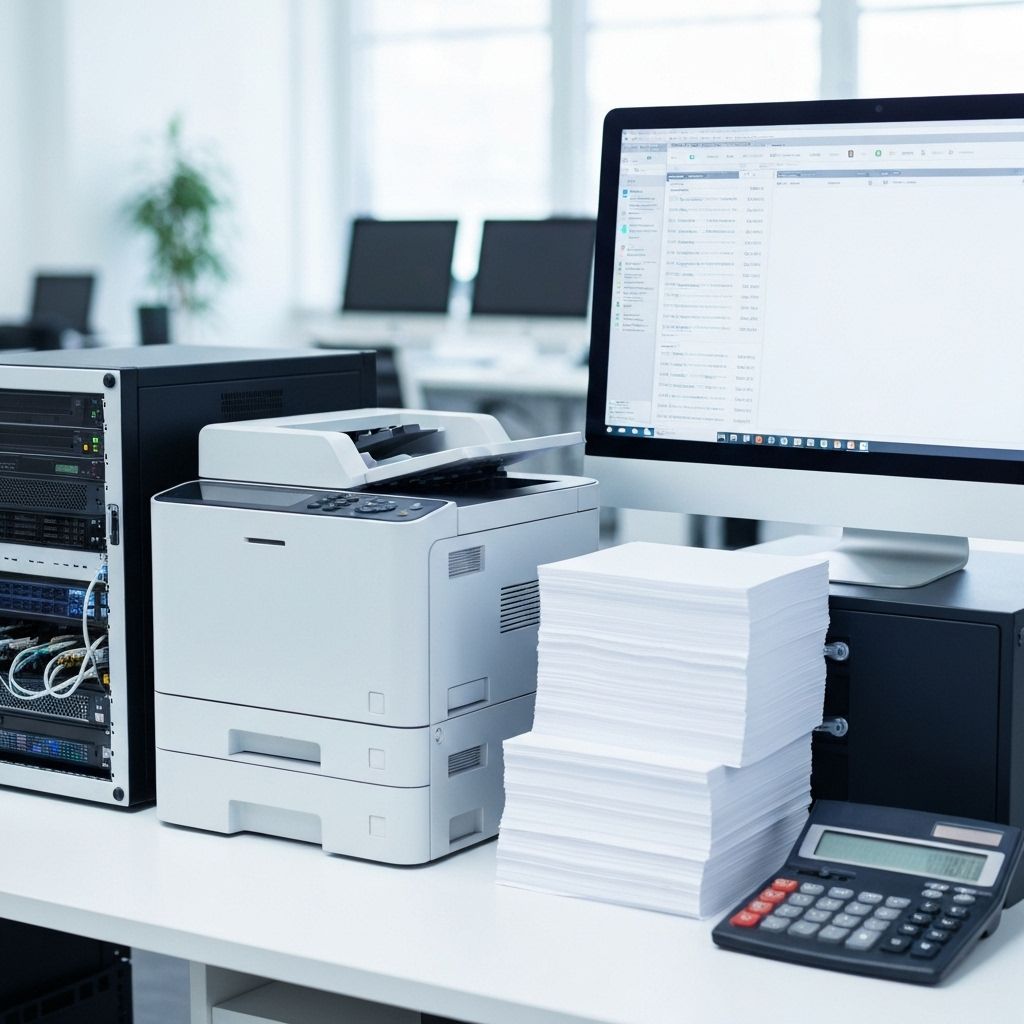
Equipment Leasing vs. Buying: Which Is Right for Your Business?
Explore the pros and cons of leasing versus purchasing equipment to make an informed decision for your company's financial future.
Read More
5 Signs Your Business Is Ready for Equipment Financing
Learn the key indicators that suggest it's the right time to invest in new equipment through financing options.
Read MoreReady to Finance Your Equipment?
Get started with a free consultation and discover the best financing options for your business.